

How a Bay Area agent can prep a full open house package in one afternoon with AI
An afternoon with ChatGPT or Claude turns scattered listing files into a counter brief, a buyer FAQ and follow-up messages, provided the agent checks every line.
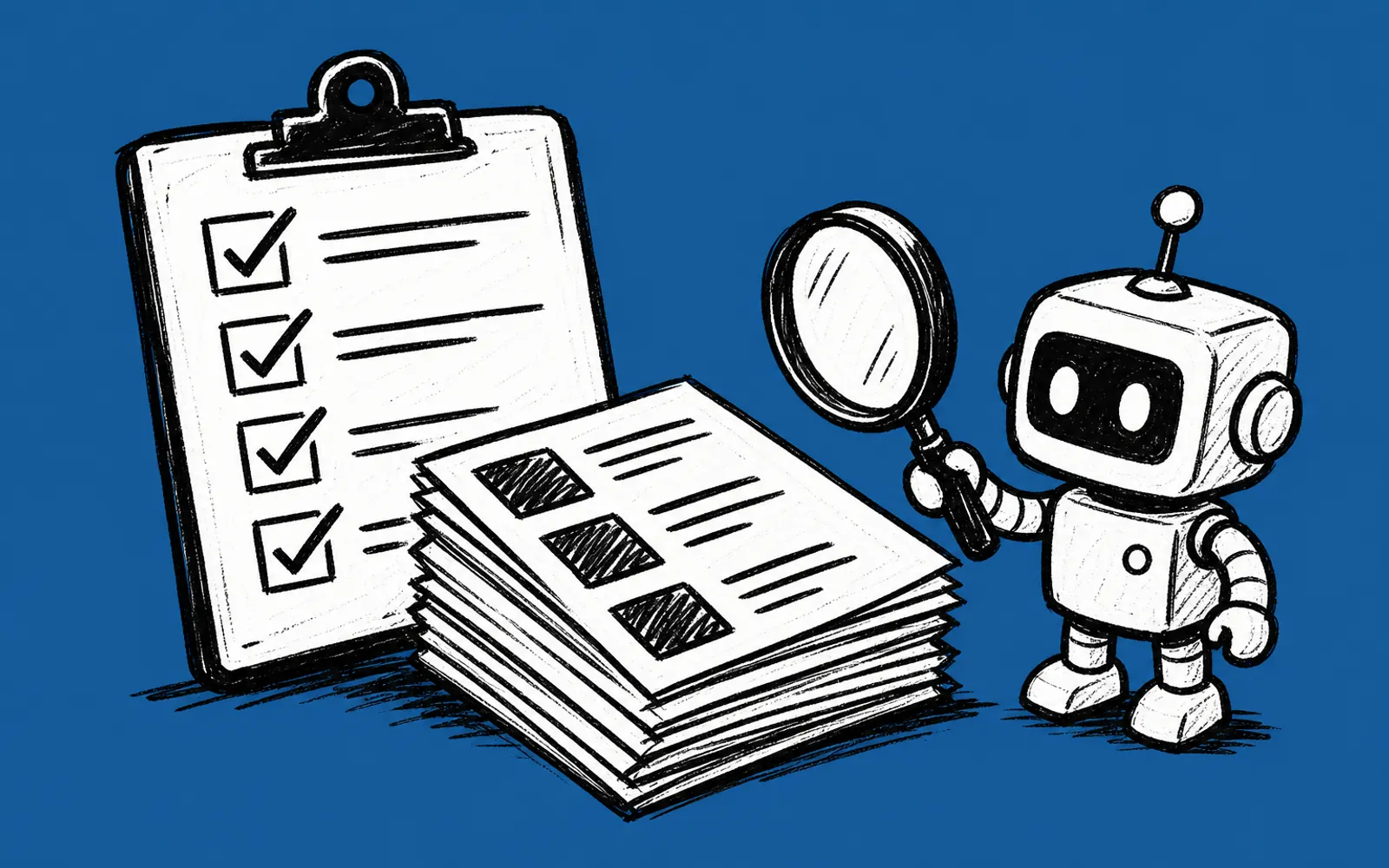

- The package has three parts: a one-page brief, a counter FAQ and follow-up messages
- The assistant works only from approved documents and real buyer questions
- Every number and claim gets checked against the source before printing
- One AI subscription, such as ChatGPT or Claude, is the usual starting point
It is Friday afternoon and the open house is tomorrow. The comps sit in three browser tabs and a scratched-out notes app. The showing instructions are half written. Every buyer who walks in will ask the same five questions, and the agent will answer them from memory, slightly differently each time, until Sunday ends with a stack of unreadable sign-in sheets.
An AI assistant such as ChatGPT or Claude can turn that scattered material into a complete open house package in one sitting. The work splits into three parts: a one-page brief the agent keeps in hand, an FAQ sheet left on the counter, and follow-up messages ready to send to weekend visitors. The agent's job is to feed it real material and then check what comes back.
What to feed the AI
The assistant only knows what it is given. For a listing, that means the MLS description, the disclosures the seller has approved for sharing, the seller's completed disclosure documents, inspection summaries, the plat map or floor plan, and the comp data the agent pulled. Anything sensitive or not cleared for sharing stays out of the prompt. If a document is in PDF form, most assistants can read it directly when it is attached to the message.
Buyer questions are the other input. Agents who have worked a neighborhood for a while already know what visitors ask: how old is the roof, how far to the nearest BART station, what did the house down the street sell for. Writing the twenty real questions from memory and past sign-in sheets gives the assistant something honest to answer from, instead of letting it guess.
What to ask for
One prompt can produce all three pieces if the material is attached. The short version: attach the listing file and the comp data, then ask for a one-page brief covering the property, the neighborhood and the price logic; a one-page FAQ written for buyers using only the attached documents; and a short follow-up message for each type of weekend visitor, from the curious neighbor to the buyer who stayed for forty minutes. Each output gets its own section so it can be copied and printed separately.
- 01Gather the listing documents
Collect the listing description, approved disclosures, inspection summaries, the floor plan and the comp data into one folder.
- 02Write the real buyer questions
List the twenty questions buyers actually asked at past open houses in this neighborhood.
- 03Attach and brief the assistant
Upload the documents and state that every answer must come only from the attached material, with nothing invented.
- 04Request the one-page brief
Ask for a brief covering the property, the neighborhood facts and the pricing story in plain language.
- 05Request the FAQ sheet
Ask for each buyer question answered from the documents, with a note where a question needs the agent on site to answer it.
- 06Request the follow-up messages
Ask for short follow-ups by visitor type, with a blank for the visitor's name and the detail they cared about.
- 07Check every line
Verify each number and claim against the source documents, cut anything the assistant could not know, and fix the tone before printing.
Checking the output
This is the step that makes the workflow safe to use. AI assistants can state wrong numbers with complete confidence, and a wrong square footage on a counter card can echo into a disclosure conversation. Every figure gets checked against the source. Every neighborhood claim gets checked against something the agent can stand behind. Anything the assistant wrote that is not in the documents gets cut. The FAQ should say so where it is honest to say so: some questions, like the seller's motivation, only the agent answers.
The Bay Area context makes this care worth the extra half hour. Home values are high across the region and buyers arrive with sharp questions about price per square foot and recent sales. Nearby city comparison data is easy for buyers to pull up on their phones at the counter, so the agent's numbers need to be right.
Who this suits
This suits solo agents and small teams who already have the material and the neighborhood knowledge, and who will spend the afternoon checking the output. It does not suit an agent who wants to push a button and hand buyers unverified numbers. The assistant drafts; the agent owns what gets printed. Agents without an AI subscription should know one subscription, such as ChatGPT or Claude, is the usual starting point.
Getting help with the workflow
Some agents learn this on their own over a few weekends. Hands-on training built on real listing work is another way. Cali AI Lab runs AI Training for Business for one owner or a whole team, on Zoom, with sessions of 90 minutes and up. People practice on approved real tasks, leave with take-home routines and safe-use ground rules, and get a follow-up check-in. The first step is a free 25-minute fit call that looks at two tasks repeating in the week and picks a first result worth having.