
How a Central Valley farm supplier automated customer intake
A small trade business can take the repeat work out of intake with a modest AI setup. Here is what that looks like in practice, what stays manual, and how to start.
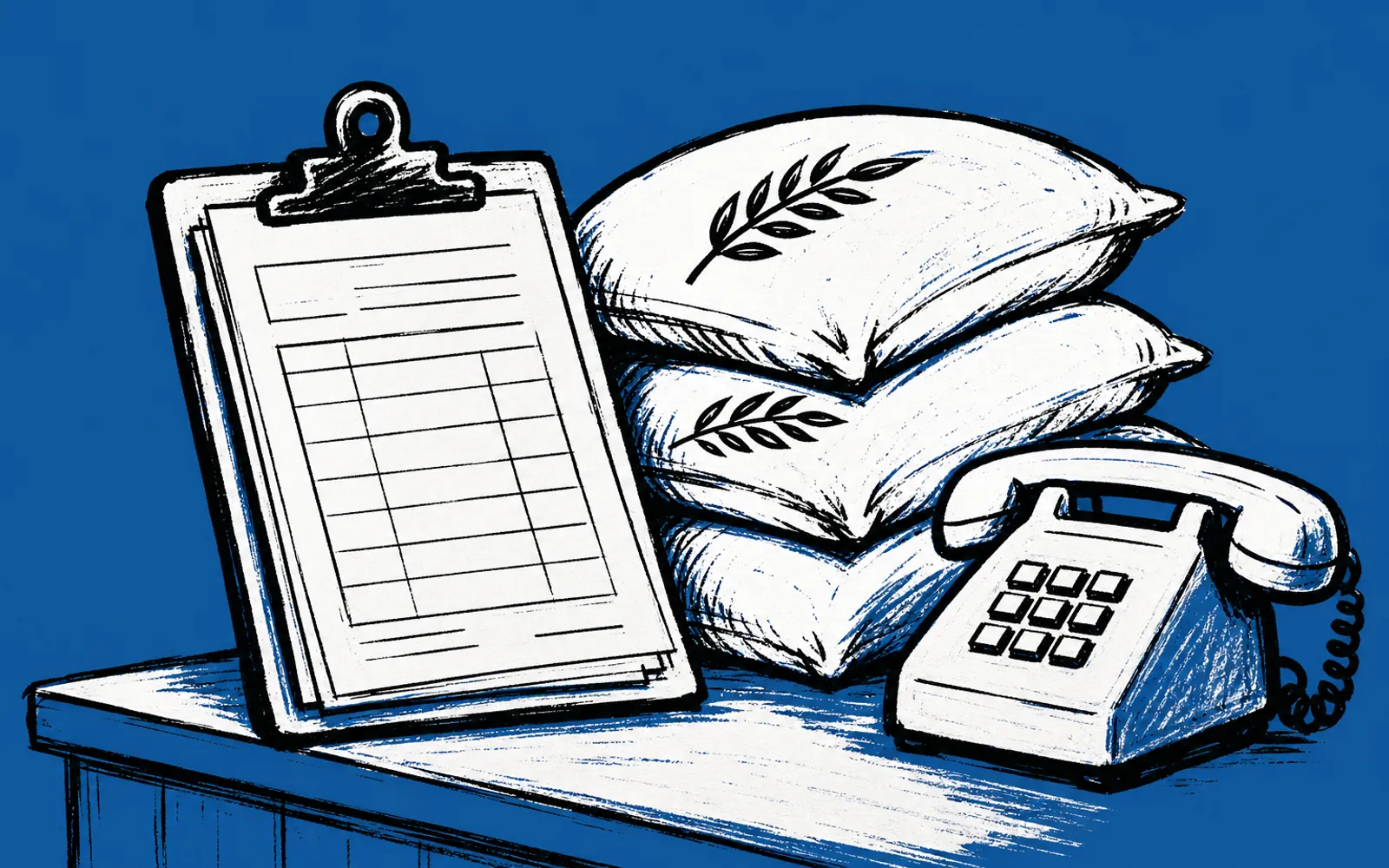
The counter at a farm supply business runs on the same questions all week. What is in stock, what a delivery costs, whether an account can order on credit. Someone answers each one by hand while the actual orders wait behind them. The inbox fills with the same requests worded five different ways, and the owner ends up typing the same reply at 9 p.m. after the trucks are loaded. None of this is hard work. It is just work that repeats, and repeated work is what software is good at. Intake automation means software drafts those replies and captures those details, so the people handle only what needs a person.
What intake automation actually does
Intake automation covers the repeat layer of customer contact. An AI tool drafts replies to quote and availability requests in the owner's own voice, using the shop's real wording rather than a generic template. It turns a phone note or an email into a structured record: what the customer wants, when they want it, and where it ships. It can pull meeting notes into a follow-up message without anyone retyping a word. The customer still gets an answer from the business. The difference is that a first draft already exists when a person opens the thread.
What it does not do is decide. Pricing exceptions, credit calls, and a longtime grower asking for a favor still go to a person, and that split is the point. A good setup has a clear line between what the software drafts and what a human signs off on. The tools also do not fix broken processes. If the intake information was scattered and inconsistent before, the software will surface that faster than a person would, which is useful but occasionally uncomfortable.
Who it is for, and who it is not for
This fits owner-led trade and ag businesses that answer the same questions daily and have one or two people doing admin. It also fits managers who want intake handled the same way no matter who is at the counter, which matters when a part-timer covers a Saturday shift. If the same answer goes out three times a week, that answer is a candidate.
It is a poor fit where the work is genuinely different every time, or where the owner wants a full rebuild of ordering and inventory before fixing the simple stuff. Start with the questions that repeat. The bigger builds, such as CRM integrations or hosted dashboards, get scoped and quoted separately, and for a small supplier that is often not the first move. A shop with no repeat questions at all is rare, but a shop whose only problems are big ones should fix those first.
How to start, with or without help
- 01List the repeat questions
Write down every customer question your team answered more than once this week, word for word.
- 02Pick one task
Choose the question or form that repeats most and has a standard answer.
- 03Open one AI account
Use a ChatGPT or Claude subscription, paid directly, so the work lives in your own account.
- 04Paste your best reply
Give the AI your real wording for that answer, so drafts come out sounding like your shop.
- 05Draft, then review
Have it draft every reply to that question and have a person check each one before it goes out.
- 06Measure the week
Count the time the drafts saved and the mistakes they caused, and keep or drop the routine on those numbers.
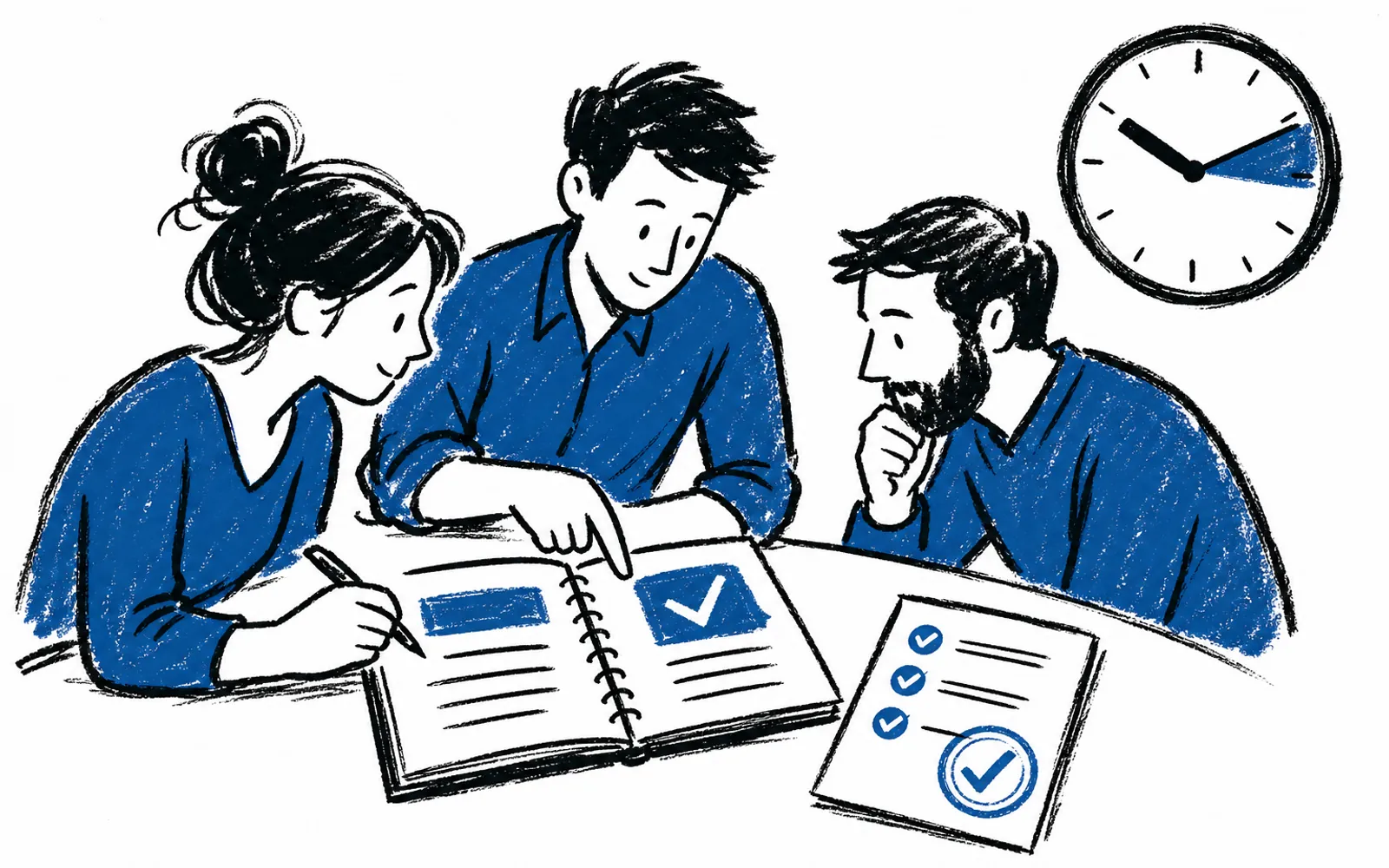
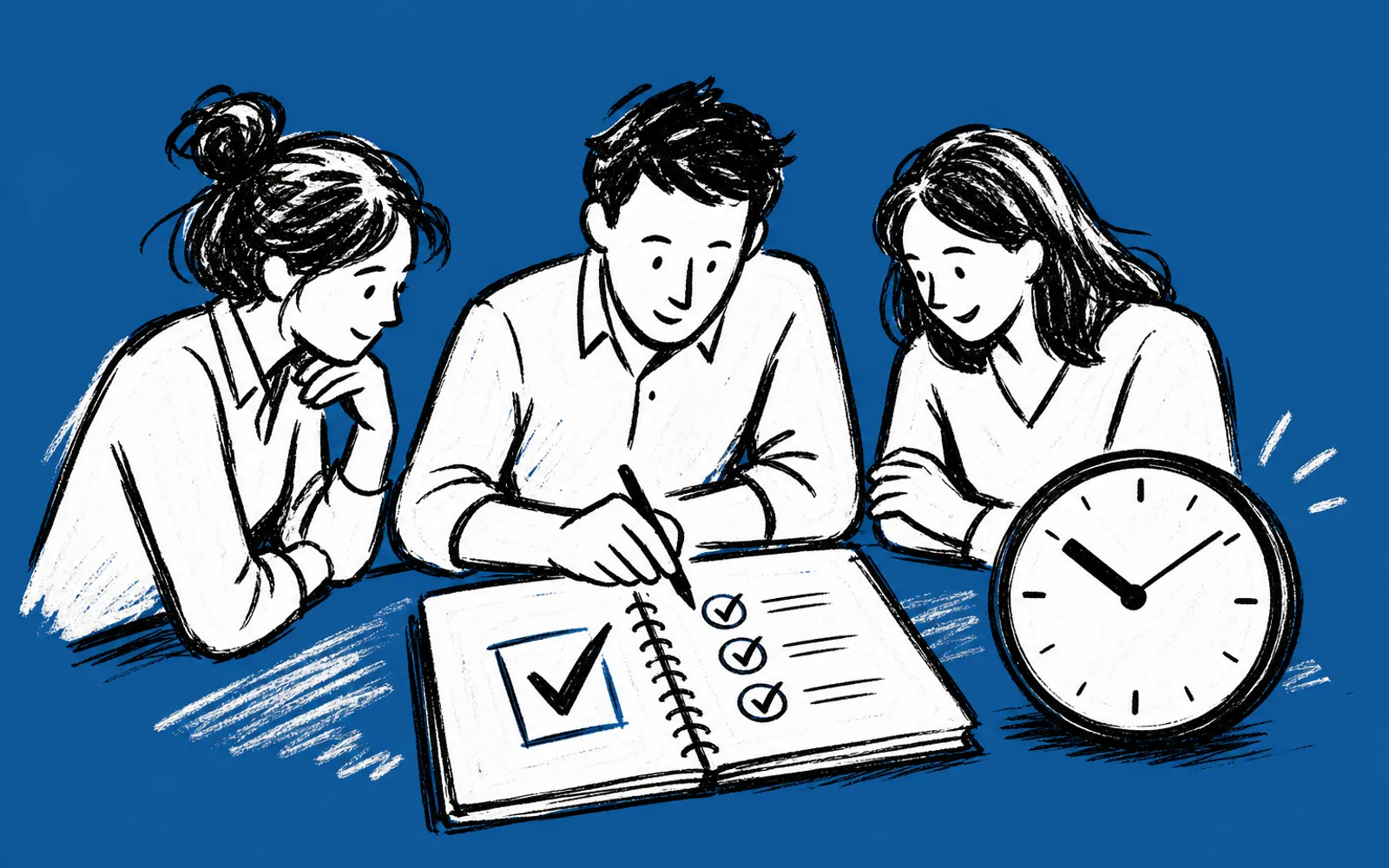
The review step is where most setups live or die. A person reads every draft before it goes out for the first few weeks. That is slower than typing it yourself at first. It gets faster once the drafts stop needing corrections, and the honest way to know that happened is the count, not the feeling.
What this setup does not cover
No honest accounting of a setup like this promises dollars. A small business cannot verify revenue gains from nicer emails in one quarter, and anyone selling that number is guessing. The measure that holds up is time: how many minutes a day come back to the owner, and whether the answers going out stayed accurate. Owners should expect a review checklist, some safe-use ground rules, and a follow-up check once the routine is live, rather than a big launch. A modest setup that runs quietly for a year is worth more than a dashboard nobody opens.
One way this gets done
Some owners do this alone over a weekend. Others want a person in the room. Cali AI Lab, a California company that works with owner-led businesses on Zoom, does this as a service: a real person becomes the owner's AI Concierge, learns the business, holds two 1-hour working calls a month, and pitches in on small setups exactly like this one, with voice messages and email in between and no limit on questions. Everything built lives in the client's own accounts and stays theirs. The first step is a free 25-minute fit call that looks at two tasks repeating in the owner's week and picks a first result worth having.
That first month has a shape. Week one is the fit call, intake, and a 60-minute interview. Week two installs a personal context file in the owner's own AI account, so the tool knows the business instead of guessing. Weeks three and four are practice and fixing friction. For a team rather than a solo owner, the same company runs hands-on training built on approved real work, in sessions of 90 minutes and up, with take-home routines and a follow-up check-in.