

How to train your office team to use AI without a policy document nobody reads
Four shared habits get a whole team working with AI on real tasks, and none of them require writing a policy.
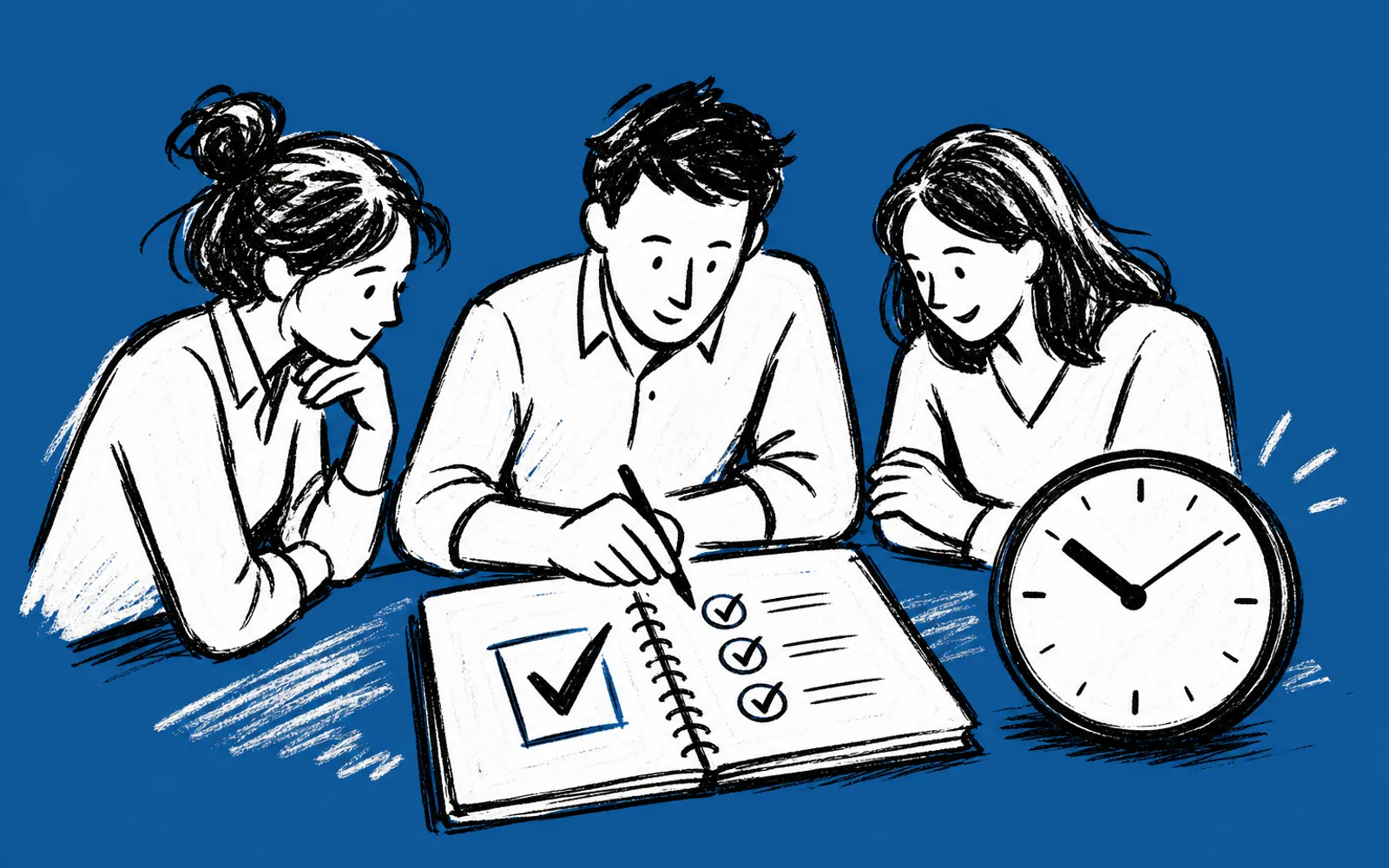
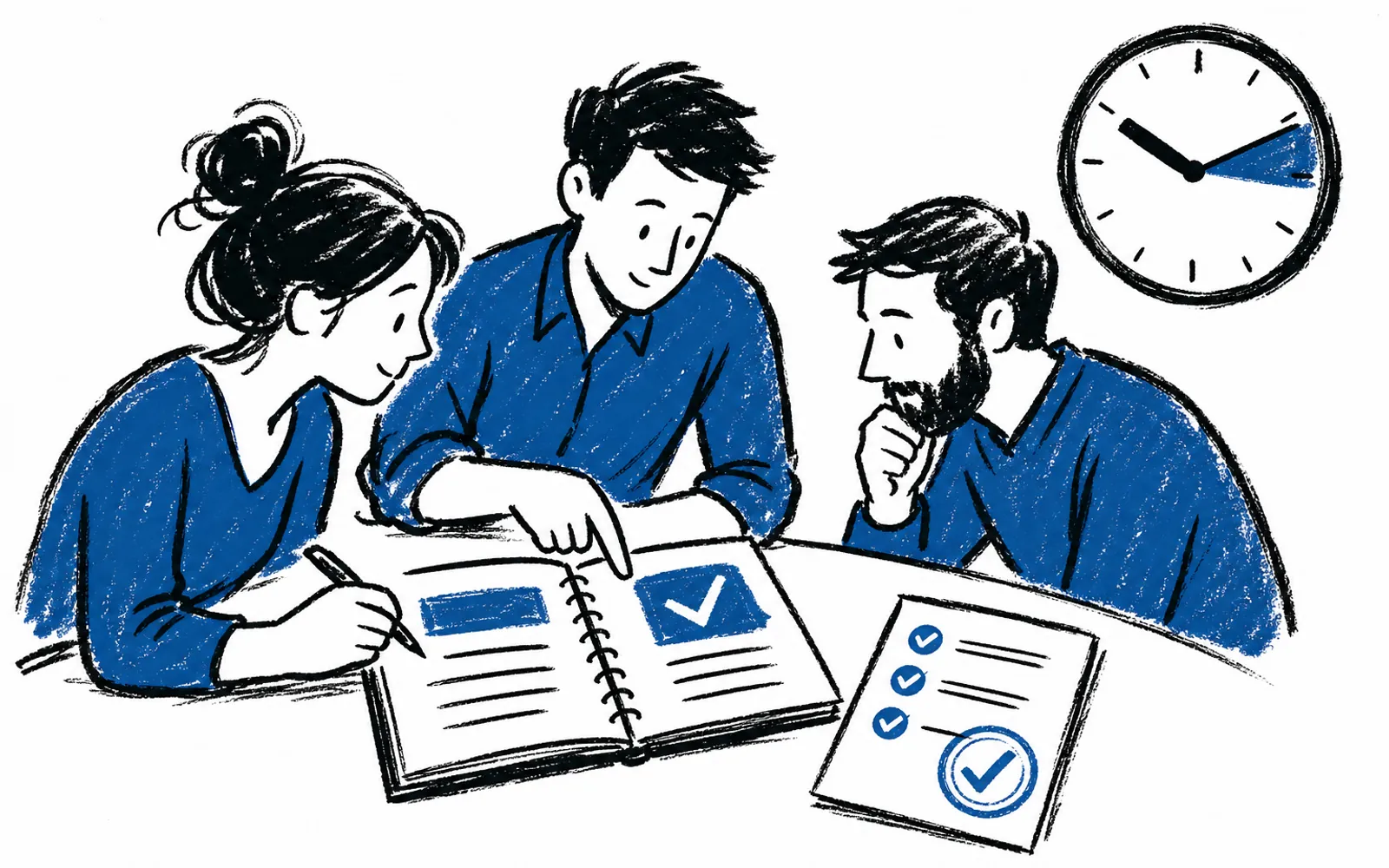
Every office has the same scene. One person quietly runs half their work through ChatGPT or Claude and gets faster every month. Everyone else either avoids the tools or guesses at them, unsure what is allowed and afraid of looking foolish. The manager sees the gap and reaches for the obvious fix: a policy document on acceptable AI use. Everyone skims it once, nobody reads it again, and the gap stays.
What closes the gap is a short shared routine, practiced on the team's actual work, that turns AI into a skill the whole office uses the same way. Four habits carry it: agreed tasks, shared prompt examples, a review habit, and short practice sessions. None of them takes more than an hour to set up.
What the routine does
The four habits work together. Agreeing on tasks tells everyone where AI is welcome and where it stays out, which answers the question a policy tries to answer, in plain words instead of legalese. Shared prompt examples remove the blank-page problem, so the second and third person do not have to figure out what the first person already figured out. The review habit catches bad outputs before they reach a client and teaches everyone what good looks like. Short practice sessions on real work keep the skill from fading after week one.
The whole setup lives in tools the team already has: a shared document for tasks and prompts, a standing ten-minute slot on the calendar, and a free or paid account with an assistant such as ChatGPT or Claude. Most owners need one AI subscription, paid directly, and nothing else to start.
Who this is for, and who it is not for
This routine fits an owner-led office where the work repeats: quotes, intake, follow-up emails, meeting notes, summaries, scheduling. If two or three tasks show up every week in the same shape, the team can practice on them and get better fast.
It is a poor fit for a team that needs a specific system built, such as a CRM integration, a hosted agent, or a dashboard wired into existing software. That kind of build gets scoped and quoted as a project before anything starts. It also does not replace working with a real person on strategy. A shared routine makes everyone competent at the basics, and a person who knows the business decides which basics matter.
How to start it next week
- 01Pick two or three agreed tasks
List the tasks AI may handle, such as drafting replies to quote requests or turning meeting notes into a follow-up email.
- 02Name what stays off limits
Write one line on what never goes into the tool, such as client financial details or anything sensitive, so the boundary is explicit.
- 03Start a shared prompt file
Create one document where anyone who writes a good prompt pastes it, so others can copy and reuse it.
- 04Book a ten-minute weekly review
Same slot each week: the team looks at two real outputs, one that worked and one that did not, and says why.
- 05Run the first practice session
Ninety minutes is enough: everyone brings a real task from their own week and works it with AI in the room.
- 06Repeat on real work
Each person uses AI on their own tasks between sessions and brings the results to the next review.
What the first session looks like
Hands-on beats lecture, every time. A good session is built on approved real tasks, not sample exercises, because people remember the work they actually do. Sessions of 90 minutes and up give enough time for everyone to finish one real task with AI in front of them. People leave with take-home routines, safe-use ground rules, and a follow-up check-in that keeps the habit alive.
Ground rules matter more in the session than in a policy file, because they come up while someone is staring at a real decision. Should this client name go into the prompt? Is this output good enough to send? Answering together, once, teaches the whole room.
Keeping it going after the first month
The routine holds as long as the review slot holds. If the ten-minute review survives three weeks, the shared prompt file fills itself and the agreed-task list grows on its own. If the review slot dies, the routine dies with it, no matter how good the first session was. Guard the calendar slot first.
A manager can run all of this alone. Some prefer to train one person on the team to run the sessions instead, so the skill has an owner who is in the room every day. Cali AI Lab's AI Training for Business covers exactly this: hands-on training built on the work a team actually does, on Zoom, for one owner or a whole team, with a follow-up check-in after. A free 25-minute fit call is the first step, and it looks at two tasks that repeat in the owner's week to pick a first result worth having.